
The Indian electric two-wheeler (EV 2W) market witnessed a major power shift in 2025. While overall demand for electric scooters and motorcycles continued to grow, the biggest change came in who led the market. After years of dominance by new-age EV startups, traditional two-wheeler manufacturers made a strong comeback, reclaiming the top positions with better scale, stronger service networks, and wider customer trust.
At the centre of this transformation was TVS Motor Company, which emerged as the new market leader in 2025. Close behind were Bajaj Auto and a fast-rising Ather Energy, while Ola Electric saw a sharp drop in market share.

Electric Two-Wheeler Market Shake-Up in 2025: TVS Takes the Lead as Ola Slips, Bajaj Surges
TVS Motor Company Becomes India’s EV 2W Leader
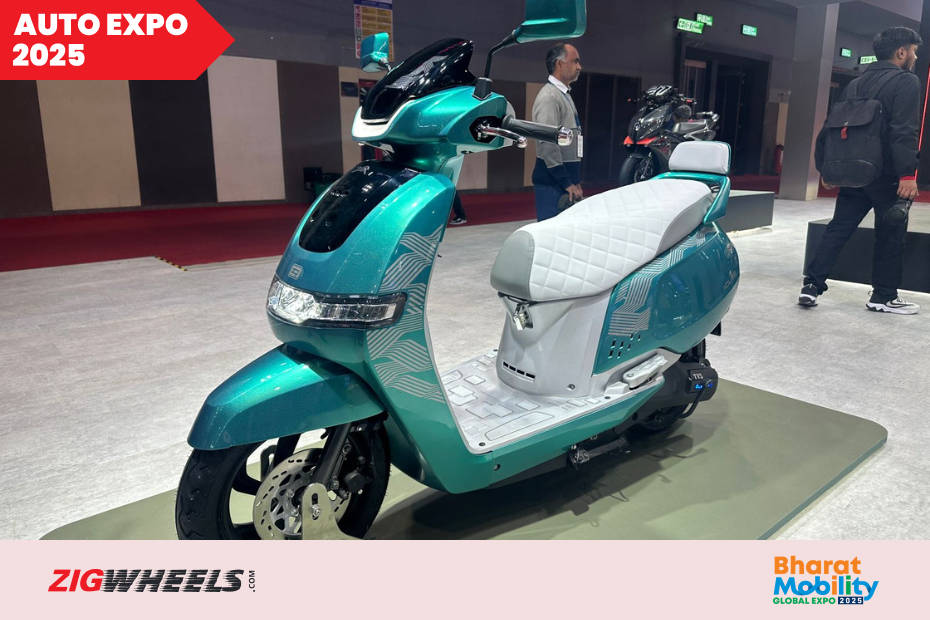
TVS Motor Company delivered one of its strongest performances ever in the electric segment. The Hosur-based manufacturer closed 2025 with sales of nearly 2.95 lakh electric two-wheelers, translating to a market-leading share of 24.2 per cent.
TVS’s success was driven by:
- Strong product acceptance
- A wide dealership and service network
- Consistent focus on reliability and after-sales support
Unlike newer EV players that relied heavily on online sales and limited service points, TVS used its traditional strengths—physical dealerships, trained technicians, and faster service turnaround times—to win customer confidence. This approach proved especially important as electric two-wheelers moved beyond early adopters and into the mainstream family buyer segment.
Bajaj Auto Strengthens Legacy OEM Dominance
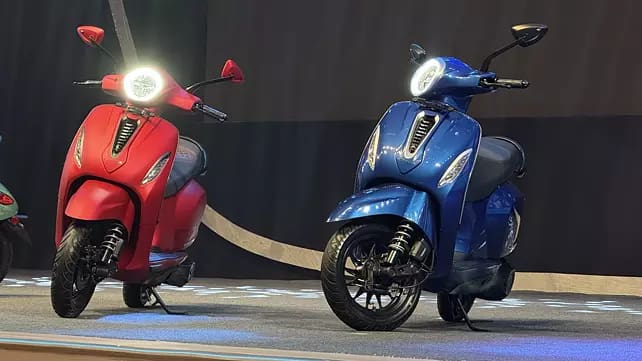
Finishing close behind TVS was Bajaj Auto, which secured 21.9 per cent market share in 2025. Bajaj’s rise further underlined the return of legacy manufacturers to the top of the EV space.
Bajaj focused on:
- Gradual but steady expansion of its EV portfolio
- Leveraging its strong brand reputation
- Offering dependable ownership experiences
Together, TVS and Bajaj accounted for nearly half of all electric two-wheeler sales in India, clearly showing that buyers increasingly value trust, service reach, and long-term support when choosing an EV.
Also Read: Big Surprise from Toyota! New Compact Land Cruiser SUV Could Challenge Mahindra Thar
Ola Electric Loses Ground Despite High Volumes
The biggest talking point of 2025 was the sharp decline in Ola Electric’s market share. After commanding more than one-third of the EV 2W market in 2024, Ola’s share dropped to 16.1 per cent in 2025.
Despite the decline, Ola still sold around 1.97 lakh electric two-wheelers, proving that demand for its products remains strong. However, the overall market grew faster, and Ola failed to keep pace with competitors.
Key challenges that impacted Ola’s performance:
- Delays in deliveries
- Longer service turnaround times
- Customer grievance and support issues
As competition intensified, these issues became harder to ignore—especially when rivals offered smoother ownership experiences through well-established dealer and service networks.
Ather Energy Emerges as a Major Winner
One of the biggest beneficiaries of the 2025 market reshuffle was Ather Energy. The Bengaluru-based EV brand significantly expanded its footprint and increased its market share from 11.3 per cent to 16.2 per cent.
Ather’s growth was driven by:
- Expansion beyond metro cities
- Improved production scale
- Introduction of the Rizta, a more family-focused electric scooter
The Rizta helped Ather move beyond its earlier premium-only positioning and attract a wider set of buyers looking for practicality, comfort, and reliability. This strategy allowed Ather to compete directly with both startups and traditional manufacturers.
Hero MotoCorp Makes Steady Gains with Vida
Hero MotoCorp also made noticeable progress in the electric two-wheeler space through its Vida sub-brand. By the end of 2025, Hero had more than doubled its market share to 8.8 per cent.
Momentum picked up strongly in the second half of the year, supported by:
- Wider dealership availability
- Growing customer awareness
- Positive reception of newer models such as the VX2 series
Hero’s gradual and cautious approach appears to be paying off as customers increasingly trust established brands entering the EV segment.
Industry Challenges Shaped the Market in 2025
Beyond company-level competition, wider industry challenges also played a key role in shaping the EV 2W landscape in 2025. One major issue was supply disruption of heavy rare earth materials, which are critical for electric motors and battery components.
Geopolitical tensions involving China—one of the world’s largest suppliers of rare earth materials—added further complexity. These disruptions forced manufacturers to:
- Rethink sourcing strategies
- Re-evaluate cost structures
- Adjust production timelines
Companies with stronger supply chains and deeper financial buffers were better equipped to handle these pressures, giving traditional OEMs another advantage over newer players.
Also Read: Big Reveal! Mahindra XUV 7XO Teaser Confirms 540° Camera, Next-Gen ADAS Display & More
What 2025 Tells Us About the EV Two-Wheeler Market
The developments of 2025 clearly show that the Indian electric two-wheeler market is maturing. While early disruptors played a crucial role in popularising EVs, the next phase of growth is being led by companies that can deliver scale, reliability, and long-term ownership confidence.
Key takeaways:
- Legacy manufacturers are back in control
- Service quality is now as important as product features
- Family and mass-market buyers are driving growth
- Competition is forcing rapid improvement across the industry
Final Thoughts
The electric two-wheeler segment in India did not slow down in 2025—it simply changed direction. With TVS Motor Company at the top, Bajaj and Ather gaining ground, and Ola facing increased pressure, the market is entering a more balanced and competitive phase.
As EV adoption continues to rise, 2026 is expected to bring even tighter competition, better products, and improved customer experiences. One thing is clear: the era of easy dominance is over, and only brands that combine innovation with reliability will stay ahead.
Also Read:Realme GT 10,000mAh Battery: Unmatched Power and Performance