
India’s passenger vehicle industry is eyeing strong Q4 FY2026 sales to achieve 8% annual growth and record volumes of 4.73 million units amid slowing demand, price hikes and shifting rural-urban trends.
High Stakes in Q4! India’s Car Industry Bets on Strong Sales to Reach 8% FY2026 Growth:
India’s car industry is heading into a crucial final quarter as automakers push for strong January–March sales to achieve 8% growth in FY2026. With demand slowing after the festive season and buyers becoming more cautious, Q4 performance will decide whether the industry can hit record volumes of around 4.73 million units.
India’s passenger vehicle (PV) industry is entering a make-or-break phase as it moves into the final quarter of FY2026. Carmakers are aiming to close the financial year with around 8 per cent growth, which would translate into record sales of nearly 4.73 million units. To achieve this ambitious target, the industry will need a very strong performance between January and March 2026, a period that traditionally contributes a significant share of annual car sales.
For students and first-time readers, this simply means one thing: what happens in the next three months will decide whether FY26 becomes a landmark year for India’s car industry or not.
Why Q4 is so important for car sales
The January–March quarter has always been crucial for automakers in India. This is when:
- Buyers rush to purchase cars before price hikes
- Dealers push year-end targets aggressively
- Companies clear inventory before the new financial year
In FY26, this quarter is even more critical because growth in recent months has slowed down. After a strong festive season in October and November, sales momentum weakened in December, with retail growth dropping to about 3 per cent, compared to double-digit growth earlier.
This slowdown has raised concerns across the industry, making Q4 performance extremely important.
Demand slowdown after festive season
During the festive season, car sales were driven by:
- Heavy discounts
- New launches
- Better affordability due to tax changes
However, once the festive rush ended, demand started cooling. December sales numbers clearly showed that buyers are becoming more cautious, especially in higher-priced segments.
One major reason behind this shift is the pressure on household finances.
Financial pressure on consumers
Household net financial savings in India have dropped to around 5 per cent of GDP, which is relatively low. For car buyers, this means:
- Less money available for big purchases
- Higher dependence on loans
- More sensitivity to interest rates
Although policy rate cuts have offered some relief, banks are still being selective with auto loans. Approval processes have become stricter, especially for:
- First-time buyers
- Customers in higher loan brackets
To tackle this, automakers are offering:
- Attractive finance schemes
- Interest subvention offers
- Partnerships with non-banking finance companies (NBFCs)
These steps are aimed at keeping monthly EMIs manageable and sustaining demand in the crucial last quarter.
Also Read: Maruti Suzuki e Vitara’s Global Success Grows – 13,000+ Units Exported Ahead of India Debut
GST 2.0 boost is fading
The industry had received a temporary boost after the introduction of GST 2.0 in September 2025. The revised tax structure improved affordability across several segments and encouraged many buyers to advance their purchases.
This resulted in:
- A short-term jump in bookings
- Increased showroom footfalls
- Strong dispatch numbers for a few months
However, that impact is now starting to fade. The big question for Q4 is whether:
- GST-led demand converts into long-term growth, or
- It was just a short-term pull-forward of sales
The January–March period will give a clear answer.
Price hikes add more pressure
Adding to buyer hesitation are price hikes announced by major carmakers. Companies like Maruti Suzuki and Hyundai have confirmed price increases effective January 2026, ranging from 0.6 per cent to 2 per cent.
These hikes are mainly due to:
- Rising input costs
- Higher logistics expenses
- Increased compliance costs
For buyers, this creates a “buy now or pay more later” situation, which could actually help drive some last-minute purchases in Q4.
Inventory under control at dealerships
Unlike past years when excessive stock created pressure, dealers are being more careful in FY26. Inventory levels are currently maintained at around 30 to 35 days, which is considered healthy.
This approach helps:
- Avoid heavy discounting
- Improve cash flow for dealers
- Enable faster inventory clearance in Q4
Dealers are preparing for a quicker sales cycle in the last quarter, focusing on:
- Fast-moving variants
- Entry-level SUVs
- Compact cars with high demand
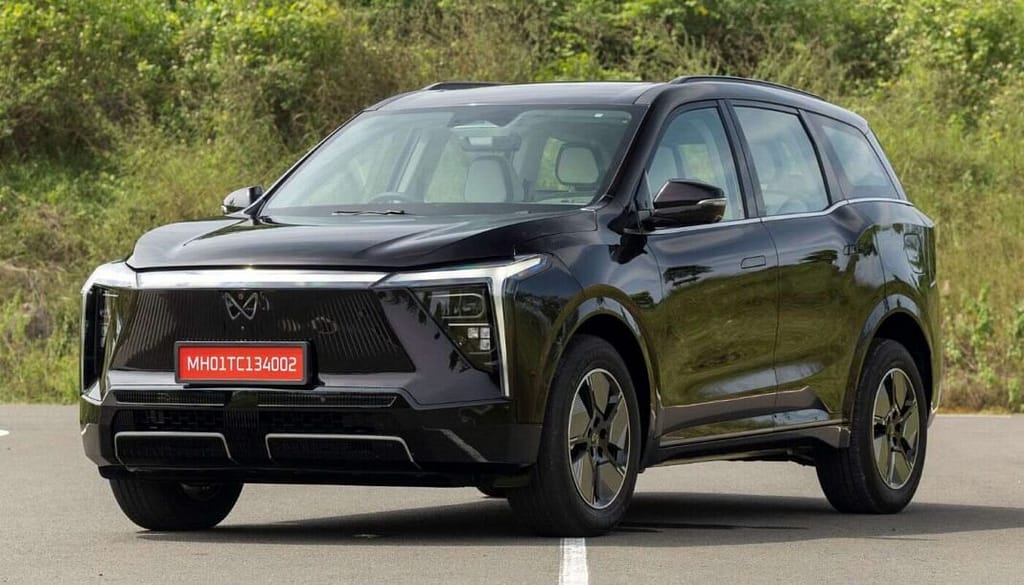
Market leaders and shifting rankings
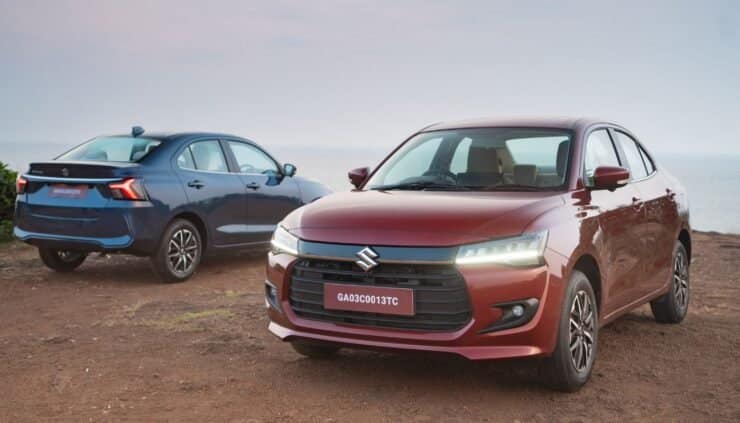
In terms of overall leadership, Maruti Suzuki continues to dominate the passenger vehicle market, thanks to its wide portfolio and strong rural reach.
Hyundai remains the second-largest PV maker by dispatches in the first half of FY26, having shipped over 3.73 lakh units. However, its position in the domestic market has come under pressure.
During calendar year 2025:
- Mahindra & Mahindra
- Tata Motors
both outperformed Hyundai in domestic sales. This shift is largely due to:
- Strong SUV-focused line-ups
- Rising demand for electric vehicles
- Better alignment with current buyer preferences
SUVs and EVs have clearly emerged as the biggest growth drivers in recent years.
Also Read: Top Smartphone Brands by Region in 2026: A Simple Global Guide
Urban slowdown vs rural growth
Another important trend shaping FY26 outcomes is the urban-rural divide.
Urban markets:
- Showing signs of saturation
- Buyers delaying upgrades
- “Aspiration fatigue” in expensive segments
Many urban consumers already own relatively new vehicles and are waiting longer before replacing them.
Rural and semi-urban markets:
- Emerging as key growth engines
- Supported by a stable monsoon
- Benefiting from healthy crop output
- Seeing rising replacement demand
Compact cars and entry-level SUVs are particularly popular in these regions, where value, durability and running costs matter more than premium features.
What will decide FY26 success?
For the industry to achieve 8 per cent growth, several factors must align in Q4:
- Continued support from rural demand
- Aggressive finance and discount schemes
- Smooth inventory movement
- No major economic shocks
If these conditions hold, FY26 could still end as a record-breaking year for India’s car industry.
Final thoughts
The Indian passenger vehicle industry is standing at a crucial crossroads. While the festive season provided strong momentum, recent signs of slowdown mean that January to March 2026 will be decisive. With nearly 4.73 million units at stake, carmakers, dealers and financiers are all pushing hard to close the year on a high.
For young buyers and students watching the auto market, this period will be interesting to track — not just for sales numbers, but also for discounts, finance deals and new launches that usually flood showrooms in the final quarter.
Whether FY26 becomes a historic success or a missed opportunity will be decided in the next three months.
Also Read: Transform Your Kitchen: Why the Lomi 3 is the Ultimate AI Hero for Food Waste