
Tata EV sales in India have crossed the 2.5 lakh milestone in just five years, marking a major achievement for electric mobility as Nexon EV leads the charge and new models like Sierra EV, Punch EV and Avinya are confirmed for 2026.
Tata EV Sales Cross 2.5 Lakh Units in India in Just 5 Years; Sierra EV, New Punch EV and Avinya Lineup Confirmed
Tata Motors has achieved a major milestone in India’s electric vehicle journey, crossing 2.5 lakh electric car sales in just five years. What began as a cautious experiment has now evolved into one of the most successful EV stories in the country. With more than 2,50,000 Tata electric vehicles currently running on Indian roads, the brand has firmly established itself as the leader in the passenger EV space.
Tata’s EV owners are now spread across over 1,000 towns and cities, highlighting how electric mobility is no longer limited to large metros. The company also confirmed that new electric models including the Sierra EV, next-generation Punch EV and the premium Avinya range will be launched in calendar year 2026 (CY26), marking the next phase of its EV expansion.
Indian Consumers Are Using EVs as Primary Cars
One of the most encouraging insights shared by Tata Motors is the change in consumer mindset. According to company data, nearly 84 percent of Tata EV owners use their electric car as their primary vehicle. This indicates growing confidence in EV technology, charging infrastructure and long-term ownership experience.
Usage patterns further strengthen this trend. On average, Tata EV owners drive close to 20,000 km every year, a figure that is comparable to or even higher than many petrol and diesel vehicles. In fact, around 26,000 Tata EVs have already crossed the 1,00,000 km mark, proving the reliability and durability of electric powertrains.
Long-distance travel in EVs has also become more common. Nearly 50 percent of Tata EV owners have completed at least one journey longer than 500 km, showing that range anxiety is gradually fading as infrastructure improves.
Tata EVs Have Covered 12 Billion Kilometres Across India
Collectively, Tata’s electric vehicle fleet has travelled an estimated 12 billion kilometres across India, covering almost every major state highway and national highway. This large-scale usage has delivered measurable environmental benefits.
According to Tata Motors, its EVs have helped reduce carbon dioxide emissions by around 1.7 million tonnes so far. Additionally, they have contributed to saving nearly 800 million litres of fossil fuel, underlining the real-world impact of electric mobility.
These numbers highlight that EV adoption in India is moving beyond early adopters and becoming part of everyday transportation.
Also Read: Phenomenal Success! Maruti Suzuki WagonR Crosses 35 Lakh Production Milestone in India
Nexon EV Leads Tata’s Electric Success Story
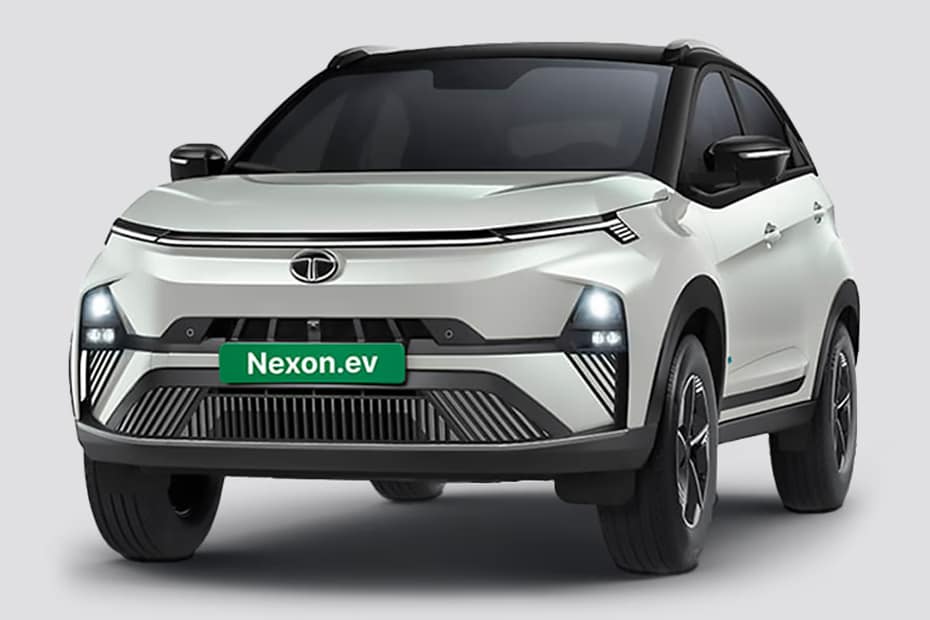
At the heart of Tata’s EV growth is the Tata Nexon EV, which was launched in 2020 as India’s first mass-market electric SUV. Over the years, it has played a key role in making EVs mainstream.
The Nexon EV recently became India’s first electric vehicle to cross 1,00,000 cumulative sales, a historic achievement in the Indian auto industry. Its combination of SUV styling, practical range, and wide service support has made it the most popular EV in the country.
Alongside the Nexon EV, Tata Motors has steadily expanded its portfolio. Current offerings include the Tiago EV, Punch EV, Tigor EV, Curvv EV and the recently launched Harrier EV. For commercial customers, the Xpres-T EV continues to serve fleet operators.
This wide range gives Tata Motors the largest EV lineup in India’s personal mobility segment, covering multiple body styles and price points.
Charging and Service Network Expands Rapidly
A major reason behind Tata’s EV success is its growing charging and service ecosystem. Today, Tata EV customers have access to over 2 lakh charging points, which include home chargers, community chargers and public charging stations supported by partner networks.
Tata’s charging aggregator currently connects more than 20,000 public chargers across the country. In addition, 100 MegaCharging Hubs with 120 kW and higher fast-charging capability are already operational along major highways and travel corridors.
On the service front, Tata Motors has set up around 1,500 EV-dedicated service bays across India. These facilities are supported by over 5,000 trained EV technicians, ensuring customers receive specialised support for electric vehicles.
Also Read: “Living Room Glow-Up: Warm & Cozy Decor Ideas Every Student Will Love”
Strong Focus on Local Manufacturing
Localisation has been a key pillar of Tata’s EV strategy. The company has developed battery packs and battery management systems locally, in collaboration with Tata Group companies. Critical components such as power electronics and thermal systems have also been localised.
Currently, more than 50 percent of every Tata electric vehicle is manufactured locally, helping reduce costs and strengthen supply chain resilience. Tata also plans to source locally produced battery cells from Agratas’ upcoming gigafactory in Sanand, which will further boost domestic EV manufacturing.
What’s Next: Sierra EV, New Punch EV and Avinya Range
Looking ahead, Tata Motors is preparing for an ambitious expansion phase. The company has officially confirmed that the Sierra EV and a next-generation Punch EV will be launched in CY26. These models are expected to target different customer segments and further strengthen Tata’s EV presence.
Towards the end of CY26, Tata will also introduce the Avinya range of premium electric vehicles, which will represent the brand’s future-focused EV architecture. By FY30, Tata Motors plans to launch five new EV nameplates, including Sierra and Avinya, along with multiple updates across its existing models.
Charging Infrastructure Growth Plans
Tata Motors has equally ambitious plans for charging infrastructure. The company aims to expand to 4 lakh charging points by CY27, including over 30,000 public fast chargers. By 2030, Tata targets a massive one million total charging points across India.
Future plans also include battery refurbishment, second-life energy storage solutions, and deeper integration with renewable energy systems.
Tata Motors on the EV Milestone
Commenting on the achievement, Shailesh Chandra, Managing Director and CEO, Tata Motors Passenger Vehicles Ltd., said that crossing 2.5 lakh EV sales reflects how electric mobility is becoming a natural part of Indian life.
He added that Tata’s EV journey was never about leading alone but about building a complete ecosystem to support India’s transition to clean mobility.
Also Read: Revolutionary Eco-Smart AI Products Transforming Sustainable Living in the U.S.
Final Thoughts
Tata Motors’ EV journey highlights how a well-planned product strategy, strong infrastructure support and customer trust can accelerate electric mobility. With upcoming models like the Sierra EV, new Punch EV and Avinya range, Tata Motors is set to strengthen its leadership further and shape the future of electric mobility in India.