
Renault and Nissan are set to launch five new models in India by 2027, including a new MPV, midsize SUVs and three-row family cars. Here’s everything you need to know.
French and Japanese Automakers to Launch Five New Models in India by Next Year
Renault and Nissan are preparing a major product comeback in India.
The alliance will introduce five new cars by 2027, including an affordable MPV, midsize SUVs and practical three-row family vehicles designed specifically for Indian buyers.

After a relatively quiet phase in India, Renault and Nissan are preparing for a strong comeback. The long-standing alliance partners have confirmed plans to introduce five new models in India by 2027, covering multiple body styles and segments.
These upcoming launches will include MPVs, midsize SUVs, and three-row family vehicles, aimed at addressing the needs of Indian buyers more effectively than before.
In recent years, both brands had limited activity in India. Renault relied mainly on refreshes and special editions, while Nissan’s only major introduction was the premium X-Trail, which struggled due to its high price. Now, with renewed focus on affordability, localisation and popular segments, both companies are gearing up for a fresh product offensive.
Below is a simple breakdown of all the upcoming Renault and Nissan cars planned for India.
1. Nissan Gravite – Entry Into the Sub-4m MPV Segment

Nissan will begin its 2026 journey with the launch of the Gravite, a compact MPV positioned under four metres in length. This model is expected to arrive early in 2026, making it Nissan’s most affordable people-mover for India.
The Gravite is essentially a rebadged version of the Renault Triber, which currently has very little direct competition in its segment. While the mechanical package will remain the same, Nissan will give the Gravite its own visual identity.
What to expect:
- A new front grille with horizontal elements
- Block-letter branding on the bonnet
- Sharper and more angular bumpers
- C-shaped silver trim for a tougher look
Inside, the cabin layout is expected to remain largely unchanged. The engine and gearbox options are also likely to be shared with the Triber, focusing on efficiency and affordability.
This launch will help Nissan re-enter the mass-market space and attract family buyers looking for a practical and budget-friendly MPV.
2. All-New Renault Duster – A Big Comeback
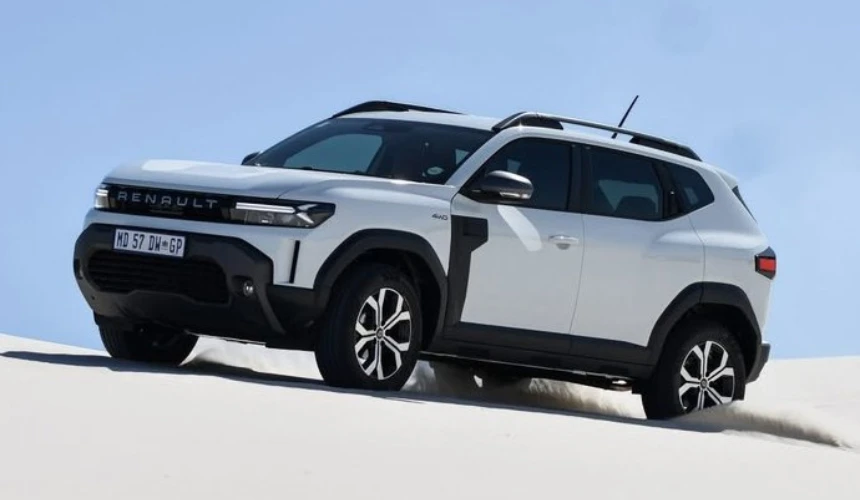
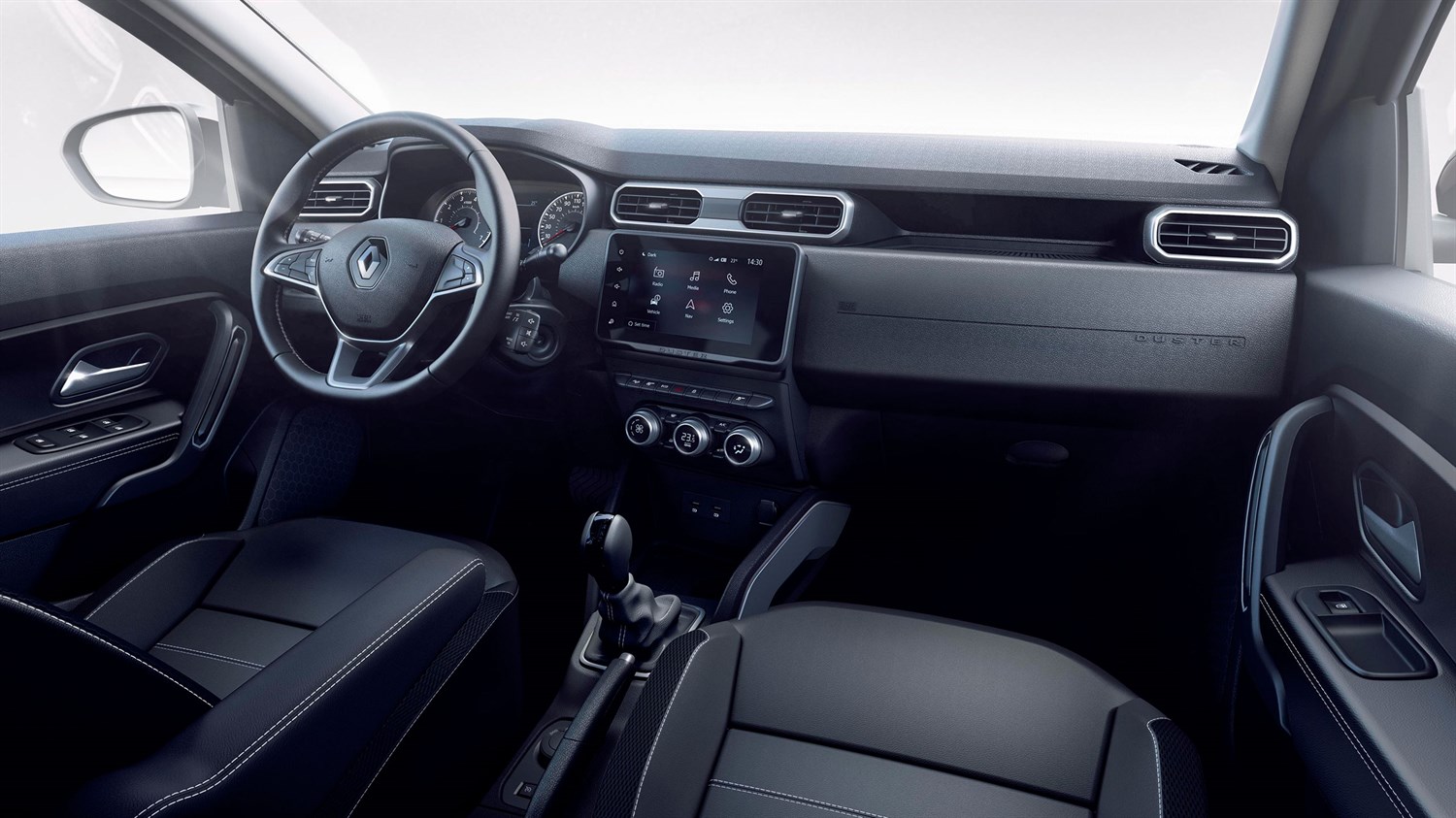
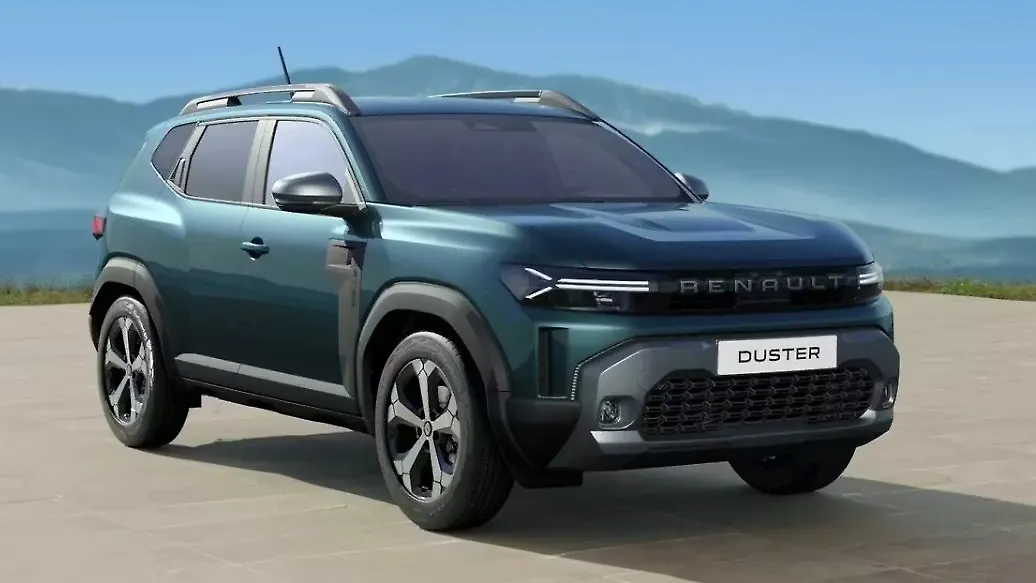
The third-generation Renault Duster is one of the most awaited SUV launches in India. The model will make its official debut on January 26, with a market launch expected in February 2026.
Built on the CMF-B LS platform, the new Duster is far more advanced than the older version that was sold in India years ago.
Key upgrades include:
- A stronger and more modern body structure
- Improved ride comfort and safety
- New-age infotainment and connectivity features
- Advanced driver assistance options
While the global version is already on sale in international markets, the Indian model will receive some region-specific updates. These may include unique daytime running lights, redesigned fog lamp placement, and a connected tail-lamp design.
Renault is also expected to introduce ventilated front seats, a feature increasingly popular among Indian customers.
Engine options:
- 1.0-litre turbo petrol
- 1.3-litre turbo petrol
- Hybrid version planned for early 2027
The new Duster will play a crucial role in Renault’s revival strategy in India.
3. Nissan Tekton – Nissan’s Version of the Duster
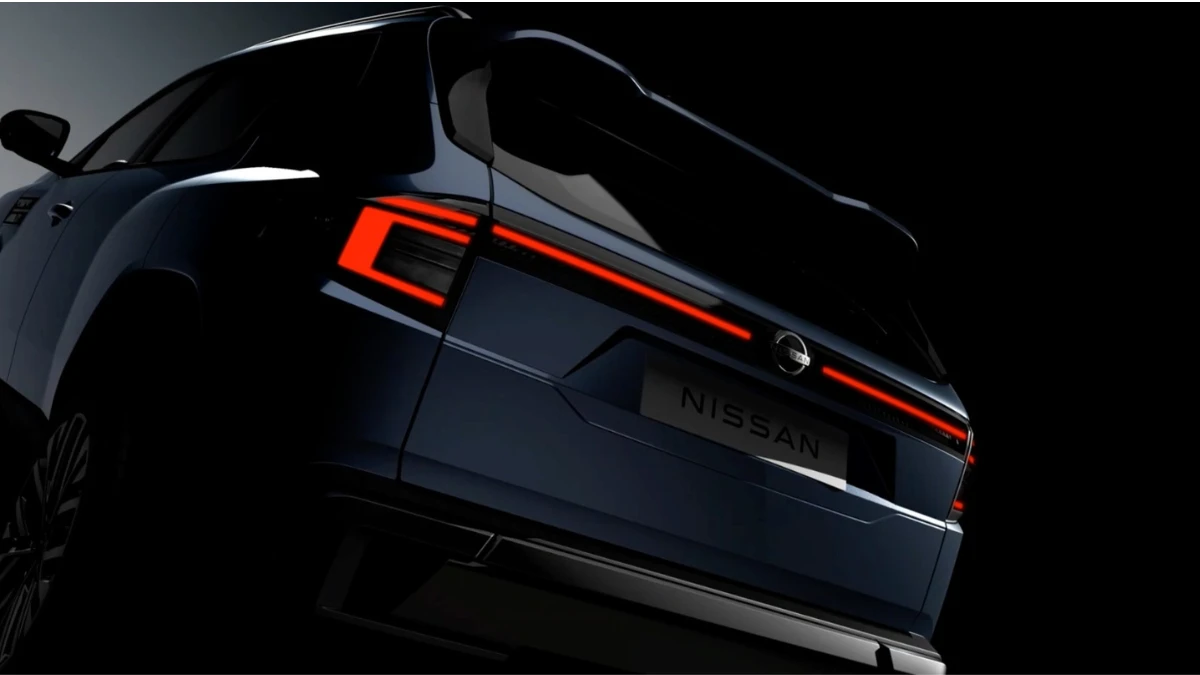

Shortly after the new Duster, Nissan will reveal the Tekton, its own midsize SUV based on the same platform. The Tekton will be officially unveiled next month, with a launch expected around March 2026.
Unlike earlier badge-engineered models, Nissan plans to give the Tekton a distinct and bold design. The front-end styling is said to be inspired by the larger Nissan Patrol, giving it a more rugged and premium appearance.
What will stay similar:
- Interior layout
- Feature list
- Engine and transmission options
The Tekton will also receive a hybrid powertrain, though Nissan plans to introduce it later, possibly in mid-2027.
This SUV will help Nissan compete more strongly in the highly popular midsize SUV category.
Also Read: Confused About Flagship Phones? Here’s Which One You Should Consider
4. Renault Three-Row SUV – Focus on Family Buyers


Between October and December 2026, Renault is expected to launch a seven-seat version of the Duster. This model will be positioned as a more premium and spacious offering for large families.
Compared to the five-seat Duster, the three-row version will feature several additional upgrades:
Expected highlights:
- Larger alloy wheels
- Panoramic sunroof
- Powered tailgate
- 10-inch digital instrument cluster
- Enhanced rear-seat comfort
Renault may also offer two-tone exterior colours to help differentiate it visually from the standard Duster.
Under the hood, the SUV is expected to use the 1.3-litre turbo petrol engine, with a hybrid option arriving sometime in 2027.
5. Nissan Three-Row SUV – Shared Platform, Unique Design
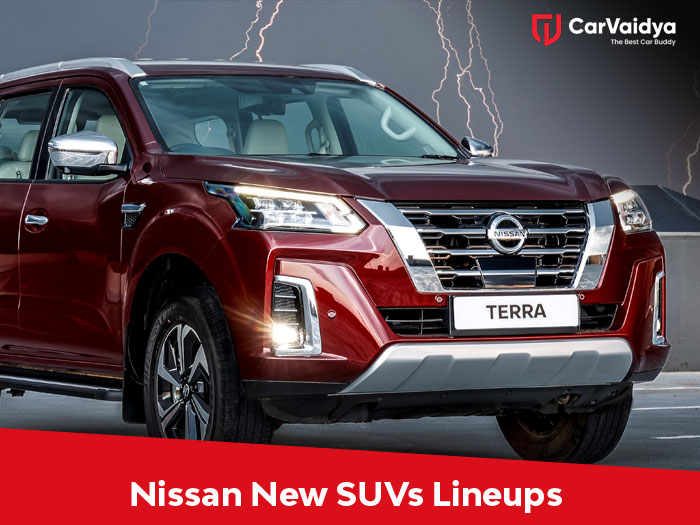
Nissan has also confirmed that it will introduce its own three-row SUV for the Indian market. This model will be a corporate cousin of Renault’s seven-seater SUV but will carry Nissan’s distinct design language.
Just like the Tekton, Nissan is expected to redesign:
- The front fascia
- Lighting elements
- Exterior styling details
Most of the interior components, features, and mechanical parts will be shared to keep costs under control.
This SUV is expected to launch around a month after Renault’s seven-seat model, completing Nissan’s renewed India lineup.
Also Read: The Smart Garden Revolution
What This Means for Indian Buyers
With five new launches planned across key segments, Renault and Nissan are clearly serious about rebuilding their presence in India. The focus on MPVs, midsize SUVs, and family-oriented vehicles shows a shift toward practical, high-demand categories.
By combining shared platforms with unique styling and hybrid technology, both brands aim to offer better value, modern features, and improved reliability.
The next two years will be crucial for the alliance, and these launches could significantly change how Indian customers view Renault and Nissan once again.